

A national park trip can begin with a view. The better ones do not end there.
For many travelers, the words “national park” still bring to mind mountains, waterfalls, wildlife and long scenic roads. Those places deserve the attention they receive. But the National Park Service also protects and interprets places where the American story becomes tangible: homes, neighborhoods, battlefields, labor sites, migration routes, cultural landscapes, archeological places and communities shaped by generations of people.
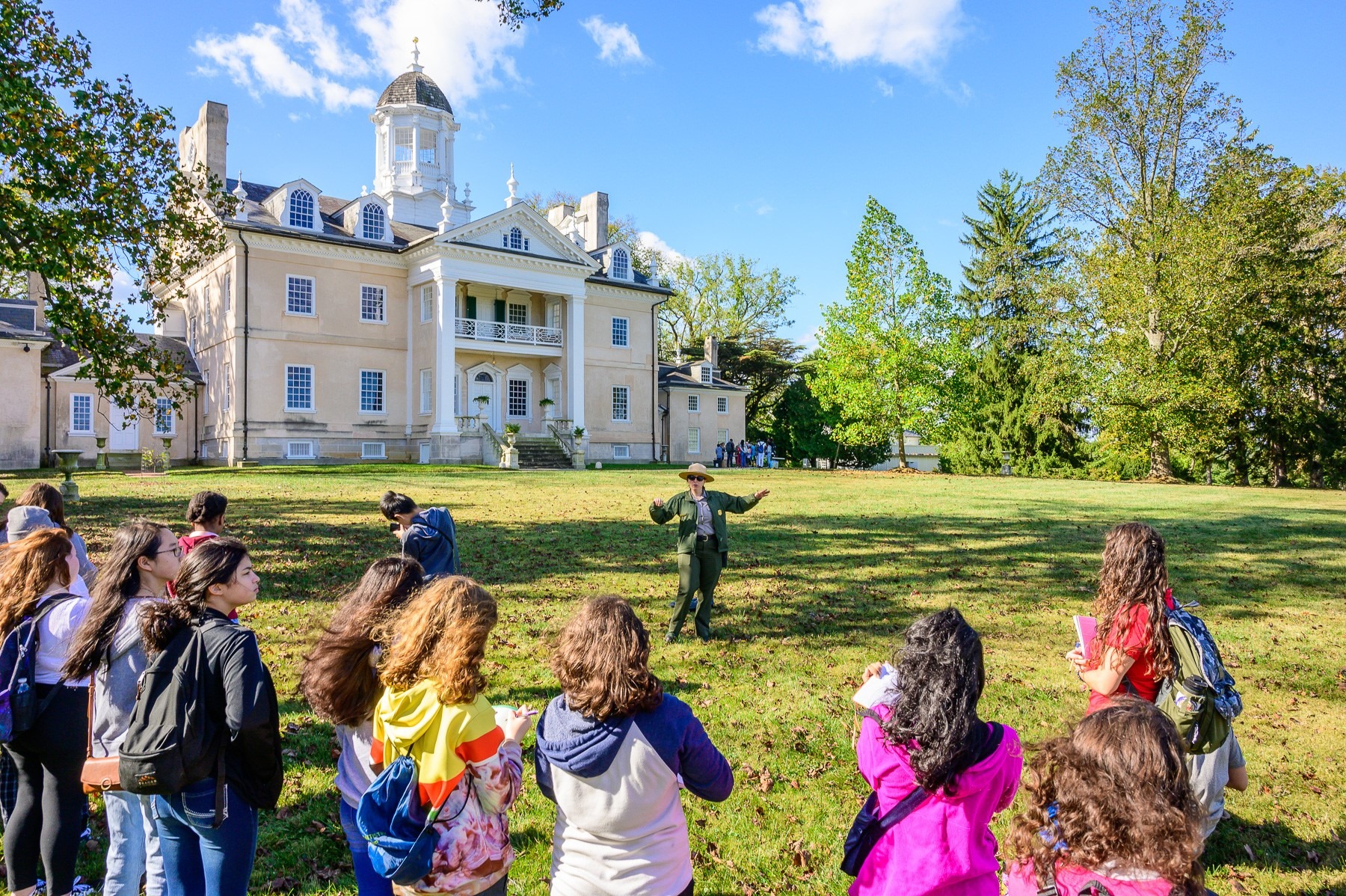
NPS ranger-led heritage program at Hampton National Historic Site. Photo: National Park Service.
That distinction matters during National Park Week. The National Park Service says the 2026 celebration runs August 22–30 under the theme “Celebrate America’s Story,” with the agency’s 110th birthday and a fee-free day for U.S. citizens and residents on August 25. The timing is current. The larger idea is timeless: travel can help us understand history differently when we encounter it in the places where it happened.
The park system is also a history system
It is easy to think of the National Park Service primarily as the caretaker of spectacular landscapes. Yet the agency’s heritage-travel program emphasizes thousands of places significant in American history, architecture, archeology, engineering and culture. National historical parks, historic sites, heritage areas and National Register properties expand the idea of what a “park trip” can be.
That creates an opportunity for travelers who want more from a journey than a collection of viewpoints. A historic site can turn an abstract event into geography. A preserved home can make a famous name human. A neighborhood can reveal who was allowed to prosper, who was displaced and how a city became what it is today. A cultural landscape can show that history is not confined to buildings at all.
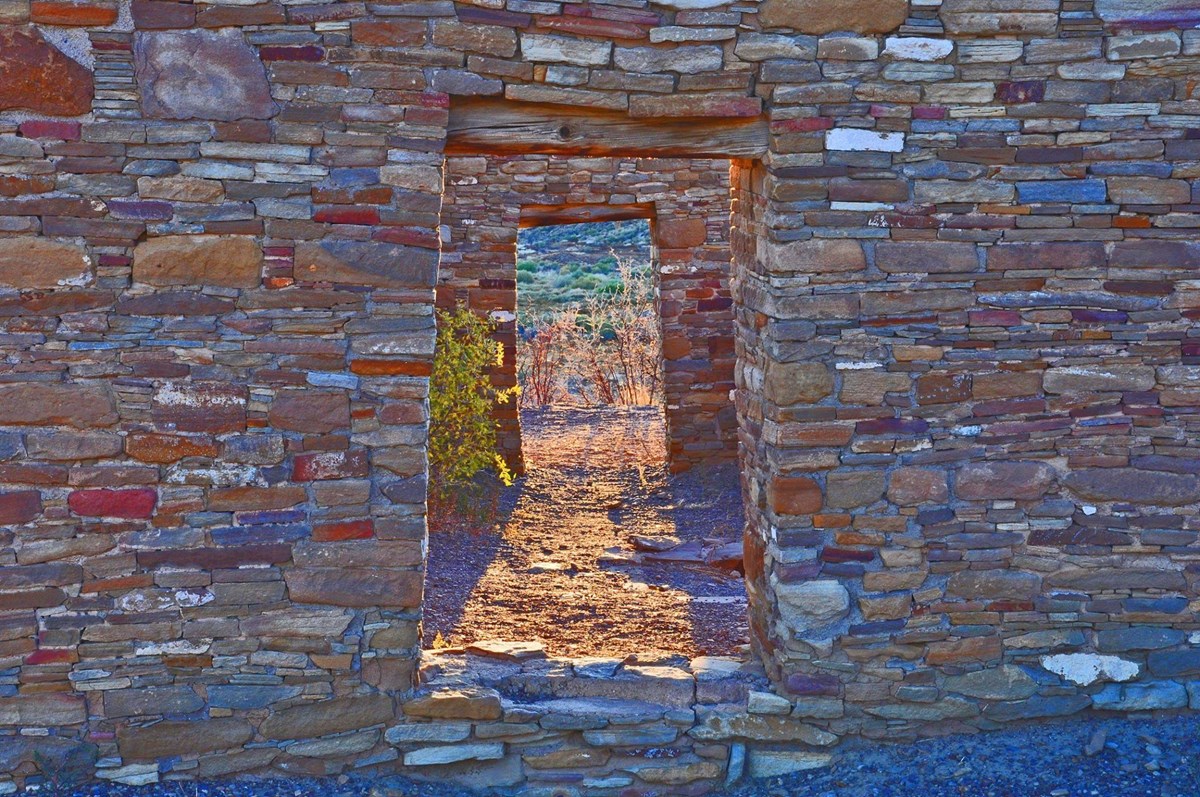
Historic masonry at Chaco Culture National Historical Park, a cultural landscape sacred to many Indigenous peoples. Photo: National Park Service.
Why place changes the way history lands
Reading about an event and standing where it unfolded are different experiences. Place gives history scale. You notice distances, terrain, weather, architecture and the relationship between one location and another. You begin asking questions that a paragraph in a textbook may never trigger.
The National Park Service describes heritage travel as learning about the past through place and cultural experiences. Done thoughtfully, that kind of travel can help us encounter histories connected to our own backgrounds while also learning about people whose experiences are different from ours.
Do not travel only for the version of history you already know
One of the best habits a culturally curious traveler can develop is deliberately widening the story. If you know a destination for one famous person, ask who else lived and worked there. If a battlefield dominates the local narrative, look for the civilian, Indigenous, Black, immigrant, labor or women’s history connected to the same region. If a park is famous for geology or wildlife, ask about the people who have lived on, worked in, protected or been removed from that land.
This does not mean forcing every trip into a history lesson. It means recognizing that destinations are rarely one-dimensional. The scenic view and the human story can belong to the same journey.
A better way to plan a heritage-focused park day
Start with the official park story pages before you arrive. Look beyond the “things to do” tab. Read the history and culture sections, accessibility information, alerts and ranger-program calendar.
Choose one question to carry with you. Instead of trying to absorb everything, decide what you want to understand better: Who lived here? What changed here? Whose story is easy to see, and whose requires more effort to find?
Use ranger programs when they add interpretation. A knowledgeable interpreter can connect objects, buildings and landscapes in ways a self-guided walk may not.
Leave room for nearby community history. The NPS heritage-travel program includes National Heritage Areas and thousands of historic places beyond the most famous park units. A meaningful itinerary may extend into a neighborhood museum, locally operated historic site or cultural district.
Respect living communities. Historic significance does not turn a neighborhood, sacred place or private property into a stage set. Follow access rules, photograph responsibly and remember that some heritage sites are part of people’s everyday lives.
National Park Week is a timely invitation—not the whole reason to go
For 2026, National Park Week runs August 22 through August 30. The National Park Service lists themed days throughout the week and says entrance fees will be waived for U.S. citizens and residents on August 25, the agency’s 110th birthday. Travelers should still check the individual park they plan to visit for reservations, timed-entry systems, parking, operating hours, accessibility conditions, weather and local alerts; a fee-free day does not remove every other requirement or capacity limit.
Information checked August 22, 2026. National Park Week dates and fee information can change, so verify the individual park and current NPS guidance before traveling.
For retirees, time can become part of the advantage
Travelers with schedule flexibility can often do something hurried vacation itineraries make difficult: slow down enough to understand a place. That might mean arriving for a morning ranger program, spending an afternoon in a small museum, taking a historic walking route instead of racing to the next landmark, or building a trip around several connected sites rather than one headline attraction.
That is not simply slower travel. It is deeper travel.
The most meaningful souvenir may be a better question
A good heritage trip does not have to leave you with a tidy conclusion. Sometimes its value is the opposite. You leave understanding that a familiar story was more complicated than you thought, that a place you had driven past carried history you never noticed, or that another community experienced the same landscape very differently.
That is one of travel’s strongest possibilities. We move through a place, but if we pay attention, the place can also move something in us.
Plan the next trip with the story in mind
Start with the National Park Service National Park Week page, then explore the agency’s Heritage Travel resources and individual park pages. For a deeper look at how travel networks themselves can preserve history, read Retired Traveler’s Green Book story. If you are building a slower itinerary around several meaningful stops, pair it with our Travel Pacing for Retirees guide.
Primary sources checked August 22, 2026: U.S. National Park Service, National Park Week 2026; National Park Service Heritage Travel; National Park Service park and fee guidance.